Electrifying end-uses: without steering, the risk of a system under strain

Posted on: April 15, 2026
The war in the Middle East has abruptly threatened global energy flows on an unprecedented scale. The closure of the Strait of Hormuz and the halt in production from several OPEC countries have shaken an already fragile balance of energy security and supply. This shock has hit Europe head-on, bringing the continent back to a persistent reality: it remains heavily dependent on imported fossil fuels.
In response, the French Prime Minister Sébastien Lecornu, announced on April 10 a series of measures under its electrification plan, notably doubling support for the electrification of end-uses through energy savings certificates (CEE). Beyond financing, the plan aims to make electric heating the norm, expand social leasing for electric vehicles, and ultimately enable French consumers to access affordable electricity.
This ambitious push toward full electrification raises a key question: will French production capacity be able to meet rising demand? The answer is yes, provided that consumption is managed intelligently.
Electrification cannot succeed without energy steering
France is producing increasingly decarbonized electricity. However it is not consuming it as such yet. According to RTE’s latest electricity report, national production reached 547.5 TWh last year, with nearly 95% coming from low-carbon sources. By contrast, electricity consumption stood at 451 TWh, representing only 27% of the overall energy mix. This gap reflects a two-speed transition: rapid on the production side and slower when it comes to end-uses.
This is precisely what the government’s electrification plan seeks to address by accelerating the adoption of electric equipment and financially supporting this shift through the CEE scheme. Yet one critical issue remains largely absent from the debate: how will this new demand integrate into the power system?
Electrification is not simply about replacing one set of uses with another. It is, above all, about transforming how electricity is consumed. Today, public policy remains largely focused on volumes and equipment. It encourages greater electricity consumption, but rarely questions when that consumption occurs.
In an electricity system, however, it is not only how much we consume that matters but when. Electrifying without rethinking usage patterns risks concentrating demand at the same time, thereby creating new system constraints.
The rise of renewable energy, intermittent by nature, further complicates the equation. RTE’s recent efforts to tightly regulate solar and wind generation in the event of system imbalances illustrate this clearly: even abundant supply can become a challenge if it is not aligned with consumption.
For now, demand is still treated as a fixed variable to which the system must adapt. Infrastructure and production are sized to meet peak demand, even if those peaks last only a few hours. This model is now reaching its limits.
Electrification therefore calls for a paradigm shift: consumption must be treated as an active variable, capable of adapting to system constraints.
Placing the consumer at the heart of the energy system
Treating consumption as an active variable means putting the consumer back at the center of the conversation, not only in terms of financial support, but also in terms of the tools available to actively participate in the energy system.
According to the French Ministries of Regional Development and Ecological Transition, the residential sector accounted for nearly 40% of final electricity consumption in 2023. In practical terms, households represent one of the most significant segments of electricity demand and are therefore key actors in the transition.
The challenge is to equip consumers with the right tools to actively manage their energy use and become genuine participants in the system.
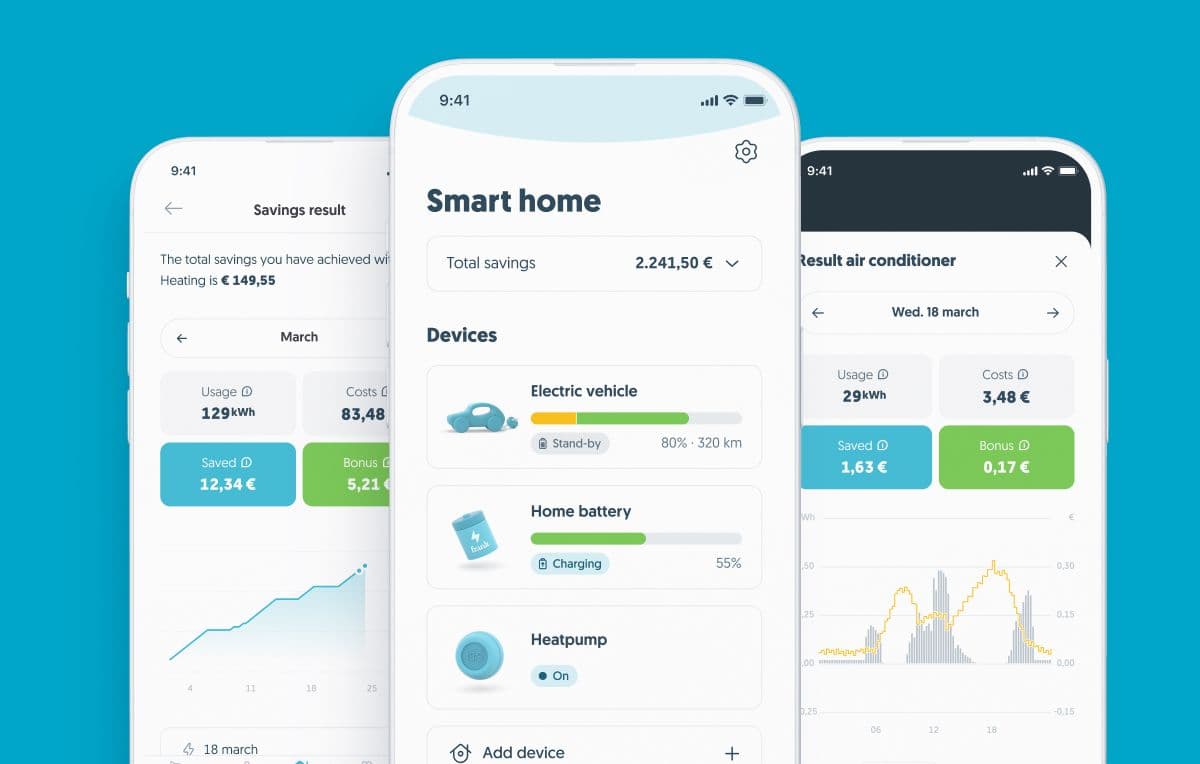
For households, smart energy management means shifting certain uses, automating equipment, and consuming electricity at the right time, aligned with grid conditions and energy availability. Heat pumps and EV charging infrastructure, which the government aims to scale, only reach their full potential when their usage is intelligently managed.
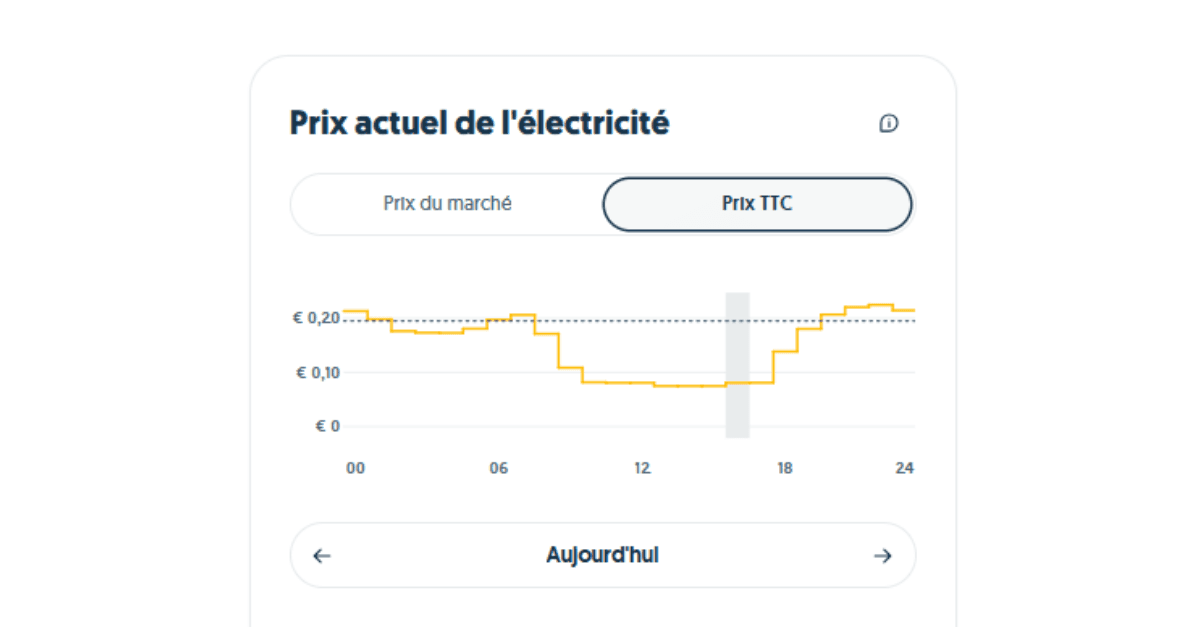
Long perceived as complex, energy management is now becoming increasingly accessible thanks to the right tools. Dynamic pricing is an example. By sending real-time price signals, it aligns consumption with periods of abundant electricity, while making the realities of the power system more tangible for consumers. When combined with smart control technologies, dynamic pricing enables automated decision-making, improves consumption patterns, and ultimately relieves pressure on the grid.
Electrification of end-uses is gaining momentum, as recent government initiatives demonstrate. However, the question of behavioral change remains insufficiently addressed. More flexible consumption patterns would help smooth demand peaks, optimize existing infrastructure, and concretely strengthen France’s energy sovereignty.
While energy savings certificates (CEE) are essential to financing the transition, they are not sufficient to ensure its balance. Success will depend not only on our ability to produce and use decarbonized electricity, but also on our collective ability to consume it more intelligently—by equipping ourselves with the right tools.
Willy Thao
Business Developer France
As a Business Developer France at Frank Energie, Willy builds partnerships with innovative players in the energy and tech ecosystem - from installers to smart-home and clean-tech companies. He combines his passion for start-ups with a data-driven mindset to make green electricity more transparent, intuitive and accessible for French households. His work helps customers better understand their options and take control of their energy usage.