Electricity: The time for a new pricing era to give power back to consumers.

Posted on: February 25, 2026
For more than ten years, the electricity bill of French households has continued to increase. This development is all the more difficult to understand given that France benefits from a historically competitive energy mix, largely supported by nuclear power. Yet, for the majority of consumers, the price of electricity remains opaque, complex and often unpredictable. The issue is not solely that of production cost; it is also that of how this cost is reflected in the contracts offered to households.
A model reaching the end of its cycle
For years, the French market has been structured around regulated tariffs and mechanisms inherited from a centralized system. This model has provided stability and protection, but it has also limited pricing innovation. Offers have remained predominantly based on fixed or smoothed prices, relatively disconnected from real variations in the wholesale market.
In practice, the consumer pays an average price stabilized over time, while electricity is traded each hour at different levels depending on supply and demand. This disconnect creates inefficiencies. When prices fall on the markets, the bill does not always immediately reflect this development; conversely, increases are often more visible.
Added to this is the complexity of bills, including energy cost, transmission, taxes, subscription and supplier margin, which makes it difficult to identify what relates to the actual procurement cost. This opacity can foster a feeling of lack of understanding, or even loss of control, over an expense that is nevertheless essential.
A historic opportunity for pricing innovation
France is now entering a new phase in its energy history. The end of certain mechanisms such as ARENH, the revision of peak and off peak time slots, and the evolution of network usage tariffs reflect a profound transformation: the electricity system is becoming more flexible, more dynamic and increasingly dependent on variable production such as wind and solar power. In this context, maintaining fixed pricing signals is no longer optimal.
France now has the opportunity to introduce mechanisms already tested elsewhere in Europe, which expose consumers more to market signals while guaranteeing a clear and protective framework. The objective is to restore visibility on price formation and the possibility to act. And this is precisely the role of dynamic pricing.
Dynamic pricing: transparency and control
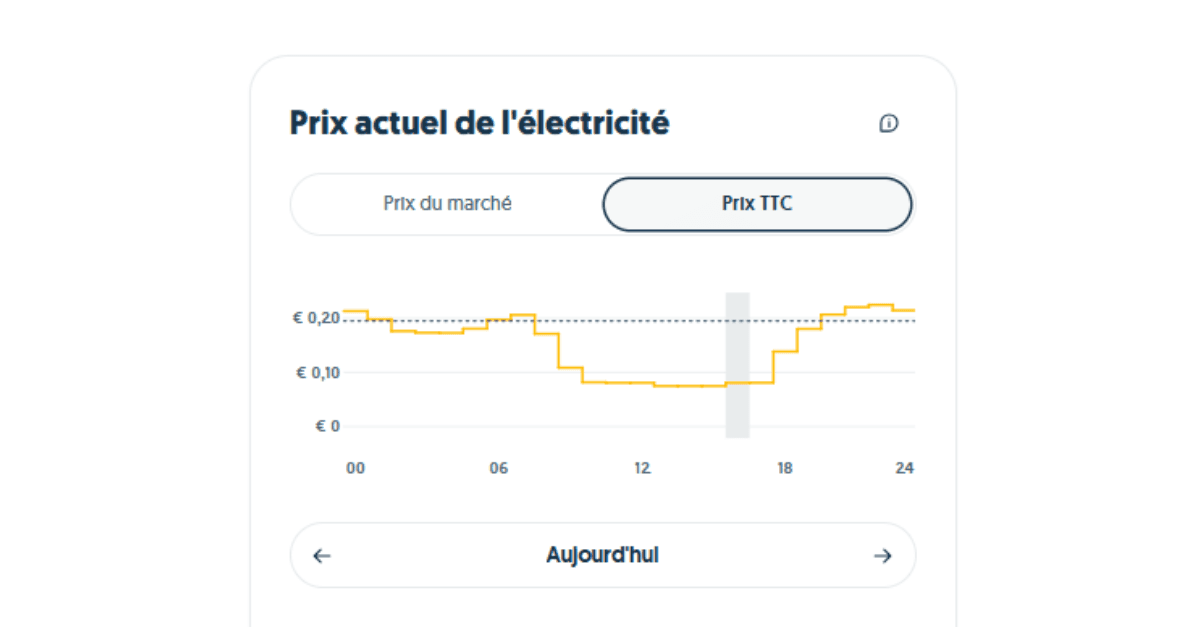
Dynamic pricing is based on a simple principle: the price of electricity evolves according to real market conditions, over fine time intervals made possible by smart meters. The consumer thus gains access to a price signal that is faithful to the economic reality of the system.
An approach that brings three major benefits:
- Transparency: the price is no longer an abstract figure set for one year, but the reflection of an observable market. The consumer understands what he pays and why.
- Control: when electricity is abundant, prices fall. Households who wish to do so can adapt certain uses and optimize their bill.
- Collective efficiency: by aligning consumption with moments when electricity is most available, dynamic pricing contributes to optimizing the overall functioning of the electricity system.
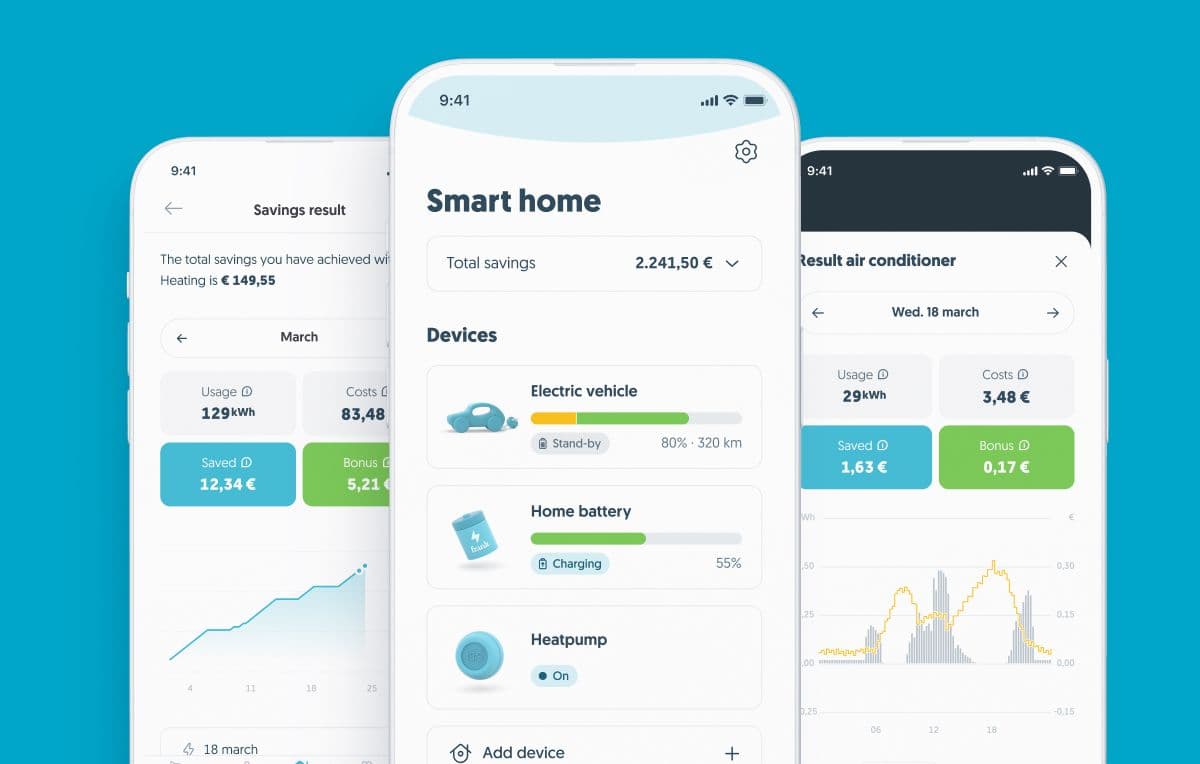
In a context where electrification of uses is accelerating, including electric vehicles, heat pumps and new equipment, a few cents difference per kilowatt hour can represent several tens, or even hundreds, of euros per year for an average household. Dynamic pricing therefore constitutes a structural innovation: it aligns the price paid with the reality of the market, reduces grey areas and gives consumers an active role.
Towards a more mature and responsible market
The ongoing transformation of the French energy landscape should not be seen as a constraint, but as an opportunity. It offers the chance to move beyond inherited mechanisms and build a model that is more transparent, more flexible and better aligned with the realities of the energy transition.
Giving households greater visibility over the price of their electricity strengthens their ability to manage their budgets and reduce their bills. Introducing more dynamism into pricing also aligns the market with the evolving nature of the power system, which is becoming increasingly flexible and reliant on variable renewable generation. But the stakes go beyond individual savings. By shifting part of their consumption to periods when electricity is more abundant, consumers help ensure a more efficient use of the power grid. This collective optimization facilitates the integration of renewable energy, reduces pressure during peak demand, and limits reliance on the most expensive or carbon-intensive generation sources.
In the longer term, greater demand flexibility enables deeper electrification of key sectors such as mobility, heating and industry, a critical condition for accelerating the energy transition. Besides, it also strengthens European energy independence by reducing reliance on imported gas, whether from Russia or the United States.
Dynamic pricing is therefore not merely a technical adjustment. It is a concrete lever to reconcile economic efficiency, purchasing power, climate ambition and energy sovereignty. France now has the technological and regulatory tools required to make this evolution a success. The opportunity is there, it is now up to policymakers and market participants to seize it.
Willy Thao
Business Developer France
As a Business Developer France at Frank Energie, Willy builds partnerships with innovative players in the energy and tech ecosystem - from installers to smart-home and clean-tech companies. He combines his passion for start-ups with a data-driven mindset to make green electricity more transparent, intuitive and accessible for French households. His work helps customers better understand their options and take control of their energy usage.